
Top Bitumen Suppliers at Major African Ports in 2025: Spotlight on AlJabal Holding’s Market Leadership
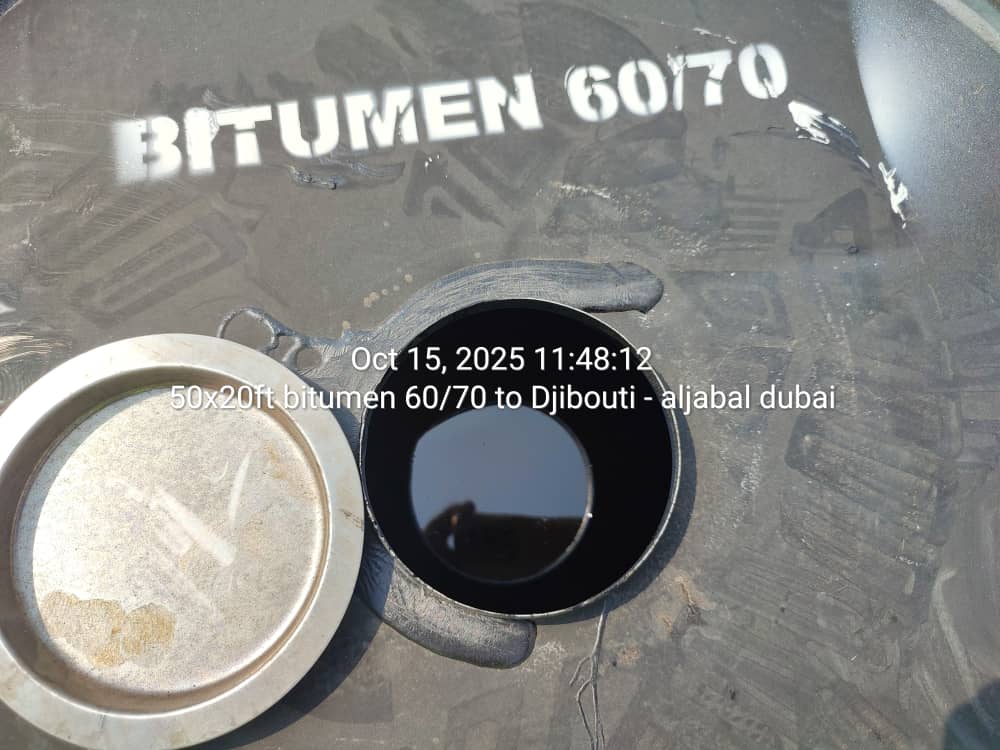
Introduction
Africa is rising fast, and so is its appetite for better roads, highways, and infrastructure. At the heart of these developmental strides lies bitumen, a sticky black substance that plays a critical role in road construction. But with demand surging across the continent, the need for reliable suppliers has never been more vital. In 2025, the race among top bitumen suppliers at Africa’s key ports is fierce—and AlJabal Holding is emerging as a frontrunner.
So, who are the key players in this high-stakes market? What ports are driving the bitumen boom? And how is Africa positioning itself as a hub for infrastructure transformation through these partnerships? Let’s dive into this complete guide on the top bitumen suppliers in Africa ports in 2025, featuring insights into the performance and dominance of AlJabal Holding.
Why Bitumen is Crucial for Infrastructure in Africa
Bitumen isn’t just a construction material—it’s the backbone of Africa’s push for modernization. From highways to airport runways, this petroleum-based product is indispensable for binding aggregates into a long-lasting, durable surface. But in Africa, where infrastructure needs are mounting and governments are investing billions in public works, bitumen has become even more crucial.
One major reason is that over 80% of intra-Africa trade and transportation still happens by road. That puts immense pressure on governments and private sectors to expand and maintain road networks—and bitumen is at the core of that effort.
Moreover, bitumen offers flexibility in diverse climates. Whether it’s the hot savannahs of Ghana or the coastal zones of Kenya, bitumen’s adaptability makes it a go-to material. Its cost-effectiveness and recyclability also give it an edge over alternatives like concrete.
Fun fact? According to a recent study, Africa’s bitumen demand is expected to increase by over 7% annually until 2030. That’s why suppliers are racing to secure market share and establish port dominance across the continent.
Overview of Africa’s Port Infrastructure for Bitumen Import/Export
Africa’s ports are no longer just gateways for general cargo—they’re now critical hubs for petroleum and bitumen logistics. As bitumen isn’t typically produced in large quantities within Africa, imports remain a key part of the supply chain.
In 2025, ports like Durban, Lagos, Mombasa, and Djibouti have significantly upgraded their infrastructure to accommodate high-volume bitumen imports. Facilities now include heated storage tanks, tanker discharge points, and dedicated terminals for bulk bitumen.
This strategic investment isn’t random. These ports serve as entry points to massive national and regional highway projects. For instance:
- Durban Port serves southern Africa and connects to national projects in Botswana, Namibia, and Zimbabwe.
- Lagos Port feeds Nigeria’s inland roads and West African corridor.
- Mombasa Port supports Kenya, Uganda, and Rwanda’s expanding infrastructure.
These enhanced port facilities are the lifeblood for suppliers like AlJabal Holding, ensuring fast, safe, and efficient delivery to various parts of the continent.
Growth of Bitumen Demand in Africa: 2025 Outlook
The year 2025 marks a significant turning point for bitumen consumption in Africa. With the African Continental Free Trade Area (AfCFTA) in full force, cross-border transportation infrastructure is being prioritized, resulting in a construction surge.
Multiple countries are launching megaprojects:
- Nigeria is building the Lagos-Calabar Coastal Highway.
- Kenya is expanding the LAPSSET corridor.
- South Africa is investing in nationwide freeway upgrades.
These developments require hundreds of thousands of tons of bitumen, creating a goldmine for top suppliers. According to market analysts, Africa’s bitumen import volume is set to surpass 6 million metric tons in 2025 alone.
Interestingly, this surge isn’t only fueled by government initiatives. The private sector—especially mining, oil, and agriculture companies—is also investing heavily in road development to facilitate logistics. As a result, bitumen supply chains must become faster, more efficient, and highly dependable.
This is where companies like AlJabal Holding step in with their strategically placed supply points and port-based operations.
What Makes a Reliable Bitumen Supplier?
Not all bitumen suppliers are created equal. In fact, the difference between a project that’s on time and one that’s months behind often comes down to supplier reliability. Here’s what defines a trustworthy supplier in 2025:
- Consistent Product Quality: Bitumen must meet strict ASTM or EN standards to ensure long-term road durability.
- Port Access & Logistics Network: Suppliers must have access to major African ports with efficient unloading, heating, and storage systems.
- On-time Delivery: Infrastructure projects run on tight timelines—delays can lead to millions in losses.
- Technical Support: Leading suppliers provide advisory services on bitumen grades, applications, and usage.
- Sustainability Practices: Eco-friendly processing, packaging, and recycling options are now vital.
AlJabal Holding scores high on all these fronts. With advanced port facilities and a pan-African logistics network, they are redefining standards in the bitumen supply industry.
Top Bitumen Suppliers in Africa Ports (2025)
AlJabal Holding: A Market Leader
We’ll dive into this powerhouse in more detail shortly, but here’s the bottom line: AlJabal Holding is setting the pace in 2025. Their port coverage, customer support, and quality assurance make them a top-tier player.
Shell Bitumen
Shell remains a legacy name in bitumen supply, offering premium polymer-modified bitumen (PMB) products. While their Africa presence is limited to a few markets, their reputation for quality keeps them in demand.
TotalEnergies
With refineries in Africa and strong port networks in West and Central Africa, TotalEnergies continues to serve both government and private sector clients with various bitumen grades.
Orlen Asfalt
This Polish supplier is expanding aggressively in African markets, especially through partnerships in East Africa. Their focus is on industrial-grade bitumen for heavy-duty infrastructure.
Sinopec
China’s petroleum giant brings its large-scale capacity to Africa through joint ventures. They’ve made significant inroads in Tanzania, Ethiopia, and Nigeria through port-based supply chains.
Nynas
A specialist in niche bitumen products, Nynas serves premium clients looking for high-performance binders. Their operations are concentrated around select ports in southern Africa.
AlJabal Holding: Leading the Bitumen Revolution in Africa
Company Overview
AlJabal Holding is more than just a supplier—it’s a full-service bitumen logistics and distribution powerhouse. Headquartered in the Middle East with a strong strategic focus on Africa, AlJabal has been at the forefront of supplying high-quality bitumen products across the continent. Their product range includes:
- Penetration Grade Bitumen (e.g., 60/70, 80/100)
- Viscosity Grade Bitumen (VG-10, VG-30)
- Performance Grade Bitumen (PG)
- Cutback and Emulsion Bitumen
In 2025, AlJabal Holding is widely recognized for combining technical expertise, cutting-edge facilities, and fast-track logistics to serve road construction, airport development, and public infrastructure projects across Africa.
Presence Across African Ports
AlJabal Holding has rapidly expanded its port presence in the last five years, strategically targeting high-volume African ports. Their established terminals and distribution hubs are operational in:
- Durban, South Africa
- Lagos, Nigeria
- Mombasa, Kenya
- Abidjan, Ivory Coast
- Djibouti Port
Each of these port locations includes heated storage tanks, automatic loading stations, and ISO-certified packaging facilities, ensuring the product arrives in perfect condition—ready for immediate application.
By establishing long-term contracts with port authorities and logistics providers, AlJabal has reduced bottlenecks and set a benchmark in port-to-project delivery speed.
Key Projects in 2025
In 2025, AlJabal Holding is a key bitumen supplier for several headline infrastructure projects in Africa, including:
- The Mombasa-Nairobi Expressway Expansion (Kenya)
- Durban-Pietermaritzburg Highway Upgrade (South Africa)
- East-West Coastal Road Project (Ivory Coast to Ghana)
- Trans-Saharan Highway Extension (Nigeria to Algeria)
Their ability to deliver 24/7 support, bulk shipments, and on-site technical guidance has earned them a reputation as a preferred partner among both government agencies and private contractors.
Why AlJabal is Africa’s Preferred Bitumen Partner
So what truly sets AlJabal apart? It’s not just scale—it’s strategy. Here’s why contractors and governments across Africa are choosing AlJabal:
- Zero Downtime Delivery: With local depots near every major port, they guarantee supply continuity even during port congestion or geopolitical disruptions.
- Custom Solutions: Whether it’s special grades for high-altitude roads or emulsified bitumen for coastal zones, AlJabal offers customized formulations.
- Eco-Conscious Approach: They’ve introduced low-carbon packaging, solvent-free cutbacks, and are pioneers in bitumen recycling programs.
- Training & Education: AlJabal doesn’t just sell bitumen—they empower users with training workshops, product seminars, and best practice sharing.
The result? A seamless, reliable, and technically superior supply chain that Africa’s booming infrastructure sector desperately needs.
Port-Wise Distribution of Bitumen in Africa
Africa’s bitumen success story is closely tied to the strategic functionality of its ports. Let’s break down the key ports driving the bitumen supply chain in 2025.
Durban Port, South Africa
Durban is Southern Africa’s busiest port and a key bitumen import terminal. Its heated storage tanks and automated loading systems allow bulk imports from the Middle East and Asia. Major road projects in South Africa, Botswana, and Mozambique rely on Durban for bitumen deliveries.
AlJabal Holding’s depot near Durban allows for 48-hour delivery timelines to interior provinces—an industry-leading benchmark.
Port of Mombasa, Kenya
As East Africa’s largest port, Mombasa is the gateway to Kenya, Uganda, Rwanda, and South Sudan. The port’s recent expansion includes a dedicated bitumen terminal, and suppliers like AlJabal Holding have heavily invested here.
Thanks to Mombasa’s efficiency and regional connectivity, over 20% of East Africa’s bitumen needs are fulfilled via this port.
Lagos Port Complex, Nigeria
Lagos is the economic heart of Nigeria and a key node for West African trade. In 2025, the bitumen terminal at Apapa Wharf has been upgraded, enabling faster discharges and increased storage.
AlJabal Holding, alongside TotalEnergies and Sinopec, is actively supplying ongoing highway developments such as the Lagos-Ibadan and Abuja-Kaduna expressways.
Port of Abidjan, Ivory Coast
West Africa’s infrastructural ambitions hinge on Abidjan’s port capacity. With new highways linking Ivory Coast to Mali and Burkina Faso, bitumen demand here is exploding.
AlJabal’s terminal in Abidjan was commissioned in 2024 and now delivers daily shipments to cross-border construction projects.
Port of Djibouti
Serving Ethiopia and the Horn of Africa, Djibouti is a strategic port for bitumen imports. Despite its smaller scale, it plays a crucial role for landlocked nations relying on Ethiopia’s expanding expressway grid.
AlJabal Holding is among the few suppliers with direct vessel access to Djibouti, giving them a unique edge in Eastern Africa.
Challenges in Bitumen Supply and Logistics in Africa
Supplying bitumen across a continent as vast and varied as Africa is no easy task. In 2025, suppliers continue to face multiple challenges:
- Inconsistent Port Infrastructure: Not all ports have the heated storage or discharge facilities needed for safe bitumen handling.
- Regulatory Bottlenecks: Customs delays, licensing issues, and differing national standards can delay shipments by weeks.
- Poor Inland Transport Networks: Once bitumen is offloaded, road and rail infrastructure still struggle to carry it swiftly to project sites.
- Weather and Seasonal Factors: Bitumen is temperature-sensitive, and Africa’s extreme climates require special handling to maintain quality.
- Currency Fluctuations and Import Tariffs: These economic variables can dramatically affect bitumen pricing and project budgeting.
Suppliers like AlJabal Holding are investing in localized depots, mobile heating units, and cross-border logistics partnerships to navigate these hurdles.
How Suppliers Are Solving Port Logistics Challenges
Africa’s logistics landscape may be complex, but leading bitumen suppliers are not standing still. Companies like AlJabal Holding are deploying innovative strategies to smooth out the supply chain and ensure on-time delivery. Here’s how they’re tackling these challenges head-on in 2025:
1. Setting Up Inland Depots
Bitumen doesn’t need to wait at the port anymore. By creating inland depots near high-demand construction zones, suppliers shorten delivery times drastically. AlJabal Holding operates multi-modal depots in Nigeria, Kenya, and South Africa that act as rapid distribution hubs.
2. Pre-Clearing Customs and Digital Paperwork
Suppliers are now integrating digital customs clearance systems to reduce paperwork and waiting times. This has slashed average clearance time from 7 days to less than 48 hours in some cases.
3. Investing in Mobile Bitumen Containers
Bitumen needs to stay hot. Traditional methods relied on port-based heating tanks. Now, advanced thermal ISO tank containers allow the product to be shipped pre-heated and stored without risk of hardening. AlJabal’s mobile tanks come equipped with temperature control sensors and GPS tracking.
4. Creating Multi-Country Agreements
Border crossings have always been a nightmare. But companies like AlJabal are forming cross-border supply agreements with customs authorities, ensuring priority passage for bitumen shipments. This has become crucial for landlocked countries like Uganda, Ethiopia, and Mali.
5. Developing Local Workforce & Training
Shipping bitumen is technical. Training local operators, drivers, and depot staff has significantly reduced spillage, delays, and accidents. AlJabal runs certified workshops in partnership with African engineering associations.
In short, the smartest suppliers are turning Africa’s logistical challenges into competitive advantages. Through tech, training, and tenacity, they’re paving the way—literally and figuratively—for Africa’s infrastructure boom.
The Role of Bitumen in Africa’s Road Construction Projects
Take a moment to imagine: What would Africa look like without bitumen? It’s not a pretty picture. From cross-country expressways to the urban arteries that connect cities, bitumen is the invisible force binding Africa’s transformation.
The Importance of Roads in African Development
Over 90% of goods and people in Africa travel by road. With 80% of the continent’s roads still unpaved, the potential for expansion is massive. Governments are prioritizing road construction to:
- Enhance trade through the AfCFTA agreement
- Improve rural access to healthcare and education
- Support tourism and regional connectivity
- Open up agricultural zones to national markets
All of these rely heavily on reliable bitumen supply.
Bitumen Grades Matter
Not all roads are the same, and neither is bitumen. Mountain roads, highways, and airports all demand specific bitumen grades. Suppliers like AlJabal provide expert advice on what grade suits which condition, including:
- Penetration grades for standard roads
- Modified bitumen for heavy truck routes
- Polymer-enhanced types for extreme temperatures
Supporting Urbanization and Smart Cities
Africa’s urban population is expected to double by 2050. New smart cities are springing up in Nigeria, Egypt, Kenya, and Rwanda. These cities require quality road networks, drainage systems, and parking lots—all demanding premium bitumen applications.
This makes suppliers like AlJabal Holding not just bitumen vendors, but key partners in Africa’s urban future.
Sustainability and Innovation in Bitumen Supply Chain
In 2025, sustainability is not just a buzzword—it’s a mandate. Bitumen, being a petroleum product, often raises eyebrows in climate discussions. But modern suppliers are finding innovative, greener pathways to reduce environmental impact.
Eco-Friendly Packaging and Transport
AlJabal Holding uses recyclable drums and bulk transport systems to reduce plastic and metal waste. Their smart ISO tanks are reusable and have longer lifespans, cutting down material waste.
Use of Warm Mix Asphalt (WMA)
WMA technologies allow bitumen to be applied at lower temperatures, saving energy and reducing greenhouse gas emissions. AlJabal promotes WMA products especially in urban and high-altitude projects.
Bitumen Recycling and Reuse
A growing practice in Africa is reclaimed asphalt pavement (RAP). Old roads are milled, the bitumen recovered, and then reused. This circular economy model is gaining traction with government support.
Carbon Tracking and Emission Reporting
Forward-thinking companies like AlJabal are now tracking their carbon footprint across the supply chain, providing clients with transparent sustainability reports—a key asset when bidding for government contracts.
In essence, bitumen is going green, and suppliers who don’t adapt will be left behind. The future of African roads is not only strong—it’s sustainable.
Government Policies Affecting Bitumen Import and Distribution
Policies can make or break supply chains. In Africa, each country has its own set of regulations governing bitumen importation, storage, and application. Understanding these is critical for suppliers and buyers alike.
Import Tariffs and Licensing
Many countries impose import duties on petroleum products. However, some governments offer duty exemptions for approved infrastructure projects. AlJabal works closely with local authorities to ensure clients benefit from such incentives.
Quality Standards and Certifications
To prevent substandard road works, governments are enforcing ISO and ASTM standards. This has driven demand for certified suppliers like AlJabal, who already meet international benchmarks.
Local Content Policies
Several countries now demand that foreign suppliers partner with local businesses, ensuring skills transfer and job creation. AlJabal Holding meets this requirement by establishing joint ventures and training programs with local partners.
Environmental Compliance
Environmental laws are tightening, especially around the disposal of bitumen drums and the emission of volatile compounds. Non-compliance results in hefty fines. AlJabal is ahead of the curve with its eco-friendly packaging and logistics systems.
By staying compliant and proactive, top suppliers are navigating Africa’s complex policy terrain with precision and foresight.
Future Forecast: Bitumen Supply Chain Trends in Africa by 2030
The bitumen industry in Africa is evolving fast, and by 2030, we can expect even more innovation and transformation. Here are some key predictions:
1. Digital Bitumen Supply Chains
AI and IoT will power predictive inventory systems, automated delivery schedules, and smart pricing models. Think Uber for bitumen—real-time tracking, optimized routes, and delivery-by-demand models.
2. Rise of In-Country Bitumen Production
Countries like Nigeria and Angola are investing in local refineries to reduce dependency on imports. Expect more local sourcing by 2030.
3. Modular Port Storage Solutions
Suppliers will use pop-up storage terminals that can be deployed near construction hotspots, further cutting delivery times.
4. Integration with Green Infrastructure
Bitumen will be used in eco-road technologies, such as solar roads, noise-reducing pavements, and rainwater-draining surfaces.
5. Dominance of Integrated Suppliers
Companies like AlJabal Holding will dominate the market by offering end-to-end solutions—from procurement and logistics to application and maintenance.
Africa’s bitumen future looks brighter than ever—and those who invest today will lead tomorrow.
Conclusion
As Africa continues its march towards modernization, the demand for high-quality bitumen across its ports and construction corridors is at an all-time high. In 2025, top suppliers are rising to meet this challenge with innovation, efficiency, and vision.
Among them, AlJabal Holding stands out—not just for its product range, but for its unmatched port coverage, logistics excellence, and commitment to sustainability. From Mombasa to Lagos, and Durban to Abidjan, they are building more than roads—they’re building Africa’s future.
So, whether you’re a government agency, contractor, or private developer, aligning with the right supplier isn’t just smart—it’s essential.
FAQs
1. Why is bitumen in such high demand across Africa in 2025?
Due to infrastructure expansion, trade integration under AfCFTA, and urbanization, Africa is investing heavily in roads and highways—driving up bitumen demand.
2. Is AlJabal Holding the biggest bitumen supplier in Africa?
While there are several major players, AlJabal Holding is among the top due to its strategic port presence, wide product portfolio, and reliable logistics network.
3. What ports are most important for bitumen supply in Africa?
Key ports include Durban (South Africa), Mombasa (Kenya), Lagos (Nigeria), Abidjan (Ivory Coast), and Djibouti.
4. How do suppliers maintain bitumen quality during transport?
Suppliers use thermal ISO tanks, heated storage, and temperature monitoring systems to preserve bitumen’s viscosity and quality during transit.
5. What are the future trends in Africa’s bitumen supply chain?
Digital logistics, green bitumen technologies, modular depots, and local production facilities will shape the future by 2030.